

Crushed Rock vs. Pea Gravel: Which Is Better for Your Project?
November 1, 2026
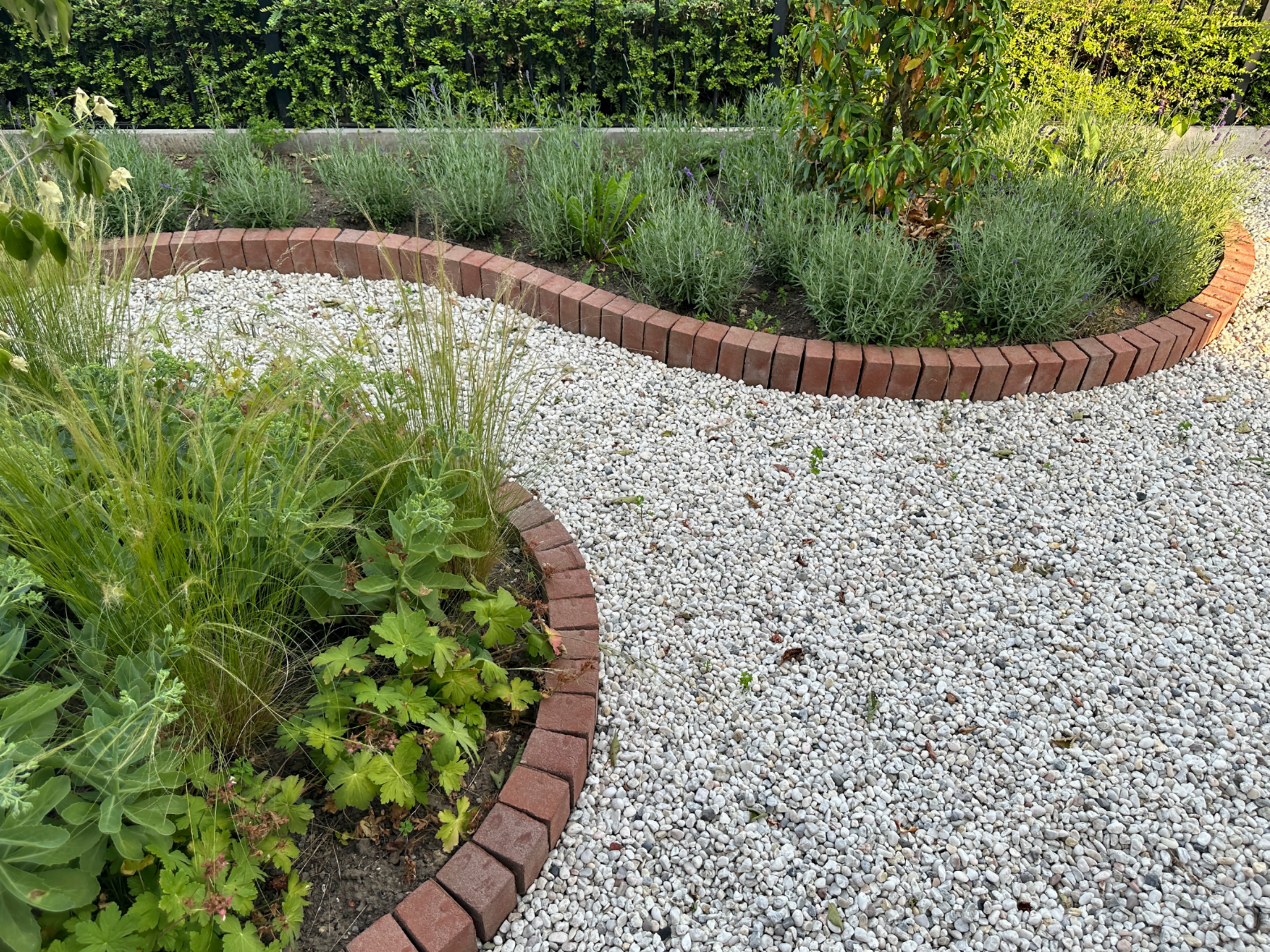
Crushed rock and pea gravel are two of the most common gravel orders for driveway, landscape, and drainage projects. Both are small, loose stone, yet each one settles into a very different surface once it is spread and put to use. Which is better depends on what the gravel needs to do, whether that means carrying a vehicle, lining a garden path, or moving water away from a foundation.
What Sets Crushed Rock Apart From Pea Gravel?
The main difference between crushed rock and pea gravel is shape. Crushed rock comes out of a crusher with sharp, fractured faces, and a minus gradation carries everything from the top size down to fine particles. Pea gravel is a rounded stone about three-eighths of an inch across, typically smoothed by water in a natural deposit before it is ever screened to size.
Shape decides how each material sits once it takes weight. Angular pieces press against one another and lock into a firm layer, while round stones roll past each other and stay loose. The fines in crushed rock also fill the gaps between larger pieces, so a compacted layer turns dense. Pea gravel keeps open space between every stone no matter how much it gets tamped.
Crushed Rock or Pea Gravel for Driveways?
Crushed rock is the better choice for driveways and parking pads, and that interlock between angular faces is the reason. A compacted crushed layer stays put when a vehicle brakes or turns, and it holds a consistent depth under repeated loads. Crushed construction rock in one-inch or one-and-a-half-inch minus is commonly placed beneath concrete, under RV pads, and as a base for sheds, all spots where weight rests in one place for long stretches.
Pea gravel shifts under the same traffic. Rounded stone pushes aside beneath a tire, so ruts form along the wheel paths and loose stone drifts toward the edges and into the lawn. When pea gravel is chosen for a driveway’s look, it generally works best as a thin top layer over a compacted crushed base that carries the actual weight.
Pea Gravel for Walkways and Patios
Walkways and patios are where pea gravel earns its place, since nothing heavier than foot traffic crosses the surface. The rounded stone feels comfortable underfoot and spreads easily with a rake. That same looseness means a path needs firm edging of steel or composite to keep the gravel in place, and a pathway binder can firm up a walkway that sees daily use.
Patio furniture asks more of the surface than foot traffic does. Chair and table legs press into rounded stone and sink or tip, so a fine crushed stone around a quarter inch often makes a steadier gravel patio topping because it compacts and holds position. Either topping does best over a compacted crushed base with landscape fabric beneath it, which keeps the stone from sinking into the soil below.
Pea Gravel for Drainage
Pea gravel moves water better than crushed rock, since the same open spaces that keep it loose underfoot let water run straight through. Rain and runoff pass down between the rounded stones instead of sitting on the surface. That open structure makes pea gravel a common fill around perforated pipe in a French drain and beneath downspout outlets near a foundation.
Crushed rock with fines works the opposite way. Once compacted, it packs those gaps closed and sends much of the water across the surface rather than through it. That trait suits a crowned driveway shedding rain toward its edges, but it would slow a drainage trench that needs water moving freely toward the pipe.
Crushed Rock, Pea Gravel, or Both
Plenty of properties end up using crushed rock and pea gravel side by side, each where its shape suits the job. Angular crushed rock locks into the firm base beneath driveways and slabs. Rounded pea gravel takes the walkway surface or the drain trench, where comfort underfoot and open space for water matter more than holding a load. Many walkway projects stack the two materials, with a compacted crushed layer underneath and a pea gravel finish on top.
Staker Parson carries crushed construction rock and pea gravel in tan or grey through its landscape yards, with bagged options at select locations. Request a quote to price crushed rock, pea gravel, or both for an upcoming project.