

DIY or Delivered? When Ready-Mix Concrete Beats Bagged Mix Every Time
February 9, 2026
Weight, moisture, 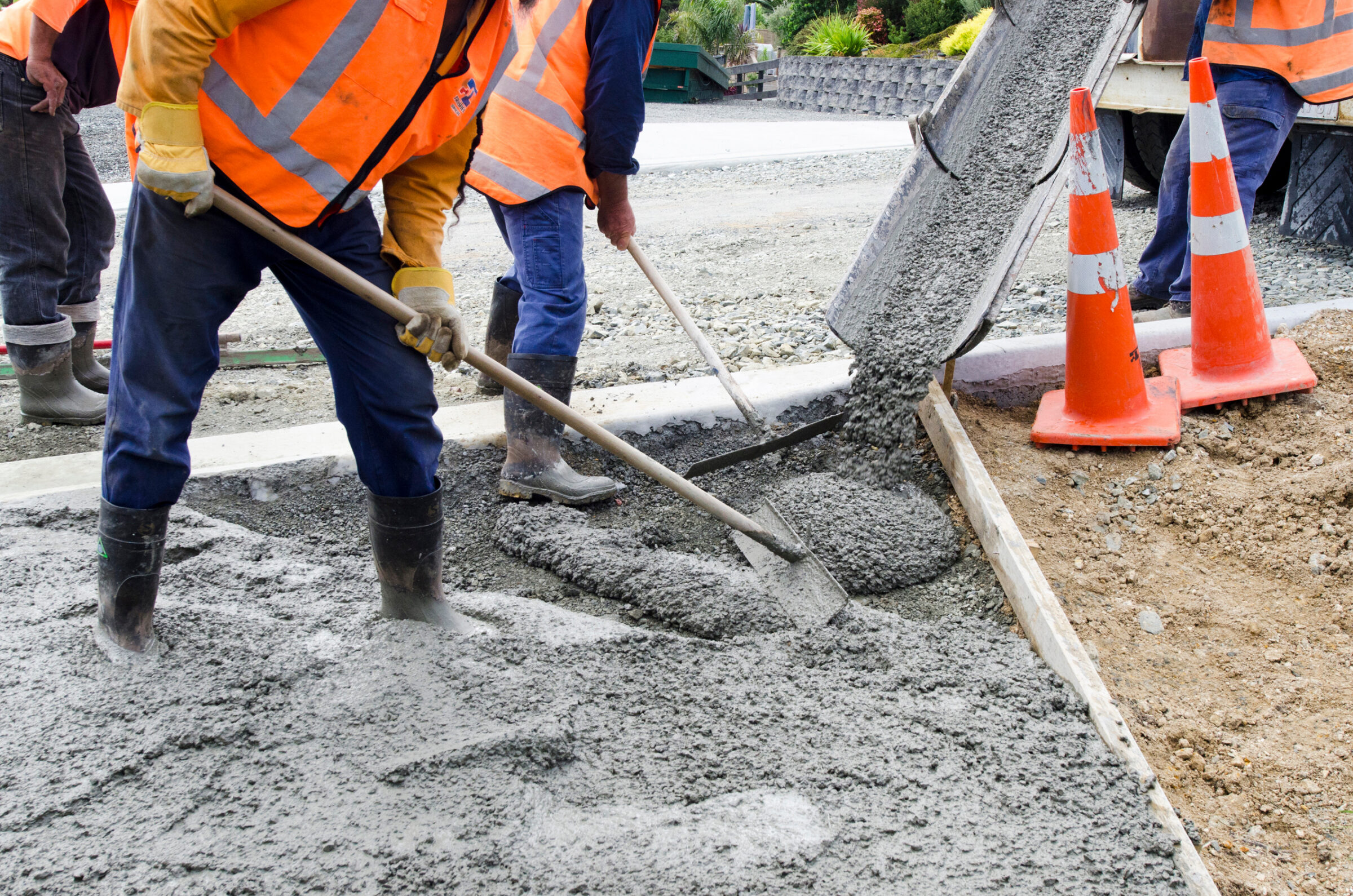 and temperature begin working concrete the moment it is placed. Those forces do not pause for mixing errors or uneven pacing. They act immediately, pressing on internal structure and surface stability long before curing becomes visible. That reality turns the choice between bagged concrete and ready-mix into a material decision, not a convenience debate.
Bagged mix fills a narrow role tied to small volume and light demand. As placement size increases or load expectations rise, control over batching, timing, and consolidation starts to matter more than simplicity. Ready-mix enters that space with a different set of advantages, rooted in how the material is prepared and placed rather than how fast it can be mixed on site.
Placement Timing Controls Internal Bonding
Concrete does not behave like a collection of separate batches once it is poured. Each pause in placement creates a boundary where hydration timing shifts. Bagged pours introduce those breaks naturally as mixing cycles repeat, especially when labor or equipment slows production.
Ready-mix keeps placement continuous. Trucks feed the pour at a steady rate, allowing the concrete to knit together internally as a single mass. That uninterrupted flow reduces cold joints and keeps paste-to-aggregate bonding consistent across the entire placement. Finishing operations follow one predictable timeline instead of reacting to sections tightening at different rates.
As the footprint grows, that continuity becomes harder to replicate with bagged material.
Subgrade Interaction Favors Full-Panel Placement
Loads move through concrete into the base below, not just across the surface. When placement happens in segments, each section responds differently to subgrade variation. Minor inconsistencies in compaction or thickness become stress points once weight is applied.
Ready-mix supports full-panel placement that spreads load across a broader area. The concrete bridges small imperfections in the base rather than mirroring them. Reinforcement engages uniformly, and the slab behaves as a single structural element instead of a series of independent pours reacting on their own.
That difference becomes visible under vehicle traffic, stored equipment, or repeated point loading.
Water Adjustment Changes More Than Workability
Water added at the mixer controls slump, but it also reshapes internal structure. Bagged mixes rely on field judgment, which often leans toward adding more water to ease placement. That excess water increases pore space once the concrete hardens, creating channels that invite moisture movement and surface wear.
Ready-mix arrives with water content already matched to aggregate moisture and cement demand. Any adjustments are measured and limited before placement begins. The concrete finishes smoothly without sacrificing density, even when weather conditions fluctuate during the pour.
Exterior slabs and exposed flatwork benefit immediately from that level of control.
Embedment Accuracy Improves with Predictable Set Windows
Anchor bolts, dowels, and reinforcement require coordination with set behavior. Bagged pours compress that window, forcing embedment to happen while crews race stiffening material in uneven stages.
Ready-mix creates a consistent working window across the entire placement. Steel stays fully surrounded as concrete flows into position, and embedded items remain aligned as the slab gains rigidity evenly. Cover depth remains consistent, and corrective work becomes far less common.
That predictability shows up later when loads transfer cleanly through embedded elements instead of concentrating around weak zones.
Surface Finish Reflects How the Concrete Arrived
Finish quality often reveals batching issues long before cracks appear. Areas placed early begin tightening while later sections remain plastic, making finishing a compromise instead of a controlled process.
With ready-mix, bleed water behavior stays uniform across the slab. Floating and troweling progress without chasing changing conditions, edges hold shape, and joints cut cleanly. Surface texture remains consistent because the concrete beneath it hardened on the same schedule.
That uniform finish continues to matter as traffic, cleaning, and seasonal exposure begin to test the surface.
Labor and Waste Shift the Economics
Bagged concrete demands labor before placement even starts. Mixing, staging, cleanup, and disposal compete with the clock as set time advances. Overordering creates waste, while underordering introduces delays that disrupt the pour sequence.
Ready-mix aligns delivery with placement demand. Trucks arrive on schedule to maintain flow, keeping labor focused on placement and finishing rather than material handling. Waste drops, pacing improves, and the pour follows a plan instead of reacting to shortages.
The result is less correction and more consistency across the finished work.
Where Delivered Concrete Takes Over
As projects move beyond small repairs, ready-mix separates itself quickly. Larger slabs, structural placements, and any application exposed to load or moisture gain measurable advantages from controlled batching and uninterrupted placement. The concrete behaves as intended because its composition and timing stay aligned from plant to finish.
Bagged mix still serves a purpose at limited scale. Once expectations rise, delivered concrete becomes the practical choice for outcomes that hold their shape, carry load evenly, and finish cleanly under real conditions.