

How to Choose the Right Aggregate for Long-Term Performance, Not Just Price
September 1, 2026
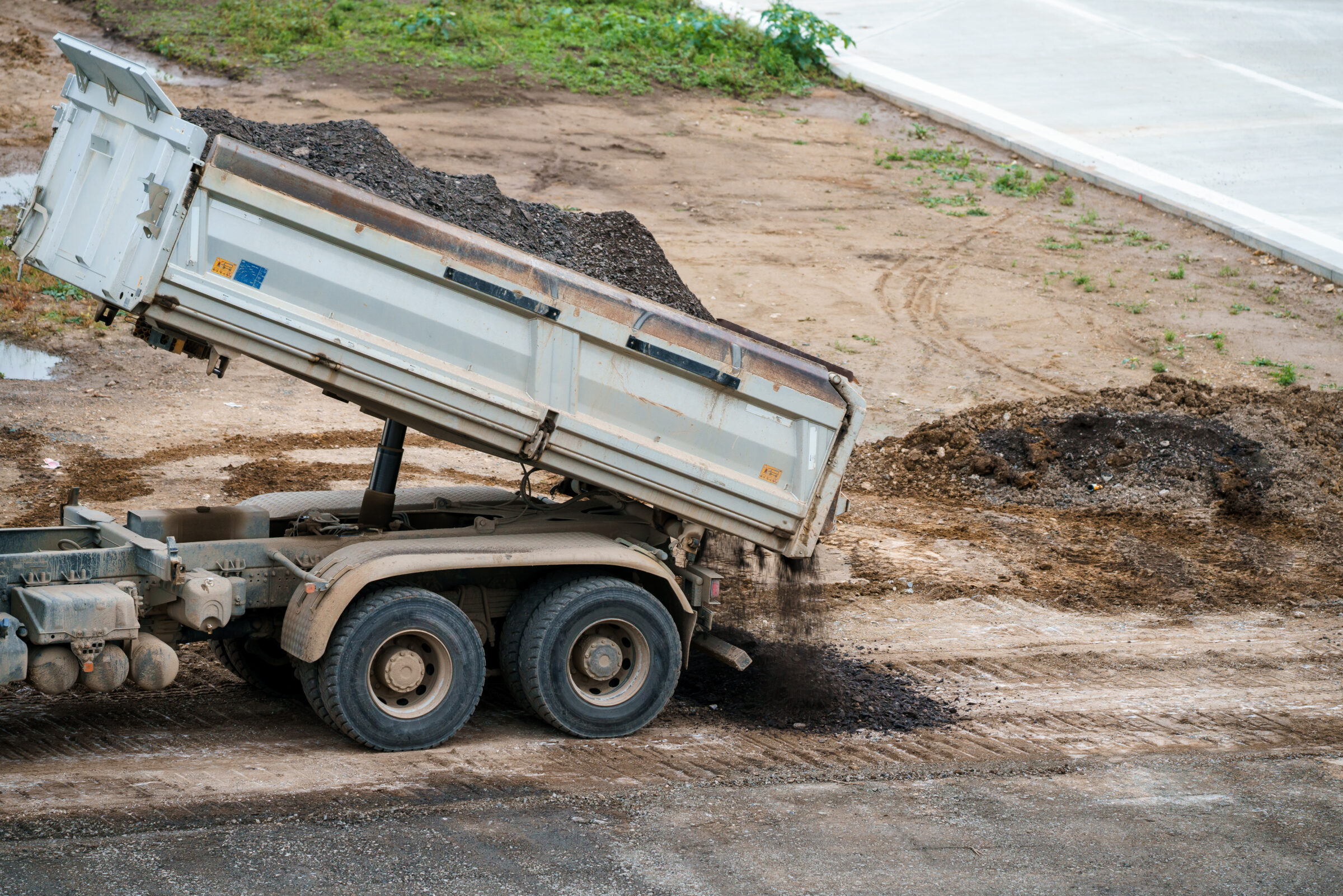
A low aggregate price does not always mean a lower project cost. Gradation, compaction, delivery distance and application fit all shape the labor and material a job actually consumes. Across the Wasatch Front and the Intermountain West, the lowest quote often turns into the highest bill once a crew has to compensate for a load that never fit the work.
What Does the Per-Ton Price Leave Out?
A bid price reflects the load at pickup, but it stops there. What happens once that material is spread, compacted and put to work is where the real cost gets decided.
Aggregate carrying excess fines or an inconsistent gradation usually needs extra water and extra compaction passes to reach the density a clean, well-graded load hits on the first pass. That added labor rarely appears on the original quote.
Consistency at the yard tends to cost less than the alternative: a second delivery, a rescheduled crew or a failed inspection deep in the schedule. Staker Parson ships crushed construction rock in a controlled one inch or one and a half inch minus gradation rather than loose, unscreened fill, so a load compacts to spec without sending a crew back out for supplemental material mid-project.
How Does Aggregate Gradation Affect Cost?
Gradation decides how tightly particles interlock once material is spread and compacted. That packing density is what keeps a base from shifting under repeated load.
Fines and clay coatings left in an unwashed product fill the void space a paver or flagstone base needs open for drainage. Trapped moisture rarely shows up on delivery day. It surfaces months later as standing water and gradual settling.
A washed, consistently graded sand costs more per ton at the yard than generic fill pulled straight from a pit. It also removes the settling and drainage problems that force a return trip once the first heavy rain arrives. Staker Parson washes its concrete sand to a quarter inch coarse gradation to prevent that failure cycle before it starts.
Which Gradation Fits Which Application?
Not every job calls for the same gradation, even when two sites sit a few miles apart. Matching the material to the work is where cost control starts.
- Base beneath a shed or RV pad: a coarser, angular crushed rock that locks together and spreads weight
- Drainage trench or footing drain: a more open, uniform gravel that lets water move through instead of packing tight
- Structural fill under a footing: a graded material sized to carry load, not fine gravel that settles under pressure
A mismatched order is usually what forces an extra delivery. Coarse base rock dumped into a drainage run, or fine gravel poured where structural fill belongs, fails to do the job the price tag suggested. Confirming the right gradation before placing the order keeps the invoice and the outcome pointed at the same result.
Why Does Local Aggregate Cost Less to Use?
Long-haul material often looks competitive on a spreadsheet until freight and lead time get factored back in. A regional source keeps aggregate from traveling farther than it needs to and removes the delay risk that pushes a tight schedule into overtime.
Staker Parson operates through nine regional companies, including Hales Sand and Gravel, Western Rock Products and Jack B. Parson Ready Mix Concrete, spanning Utah, Idaho, Nevada, Arizona and Oregon. A load can typically ship from a nearby yard rather than a distant pit that adds mileage and delay to every ton delivered.
That proximity matters most across the Wasatch Front and the surrounding high desert, where elevation swings and repeated freeze-thaw cycling put real stress on material that was never screened or sized for the ground it lands on. Aggregate screened for freeze-thaw exposure keeps a base intact through a full season rather than requiring replacement after one hard winter.
How to Choose Aggregate That Performs Past Delivery Day
Price still matters on every load, but it only tells part of the story once material gets compacted into something that has to hold up for years. Gradation, application match and regional sourcing each shape whether a ton priced low today still costs less once the project wraps. A shortcut on any one of them tends to shift the real cost onto the schedule rather than the invoice.
Staker Parson has supplied crushed rock, sand and gravel gradations across the Intermountain West since 1952. A nearby yard or subsidiary can confirm the right specification for a project before the first load ships. Request a quote to connect the project to the aggregate it actually needs, not just the lowest number on a bid sheet.
Frequently Asked Questions
What does aggregate gradation mean?
Gradation refers to the size distribution of particles in an aggregate mix. A well-graded mix interlocks tightly under compaction, which keeps a base stable under load. A poorly graded or inconsistent mix leaves voids that collect water and shift over time.
Why does washed aggregate cost more?
Washing removes fines and clay coatings that block drainage and reduce compaction. The upfront cost of washed aggregate is usually lower than the cost of a return trip to fix settling or drainage problems caused by unwashed material.
How do I know which gradation my project needs?
The application drives the decision. Structural bases need angular, coarse-crushed rock. Drainage applications need open, uniform gravel. Confirming the specification with a supplier before ordering avoids a mismatched load that delays the job.
Does delivery distance really affect total project cost?
Yes. Freight adds to the per-ton cost of every load, and longer hauls increase both price and lead time. A regional supplier reduces both and lowers the risk of a schedule disruption caused by delayed material.
What is freeze-thaw rated aggregate?
Freeze-thaw rated aggregate is screened and sized to stay stable through repeated cycles of freezing and thawing. Across the Wasatch Front and the high desert, standard fill that was not screened for this exposure can break down after a single hard winter, requiring early replacement.