

Why Mid-Summer Is the Busiest Time for Concrete, Gravel, and Asphalt Demand
July 1, 2026
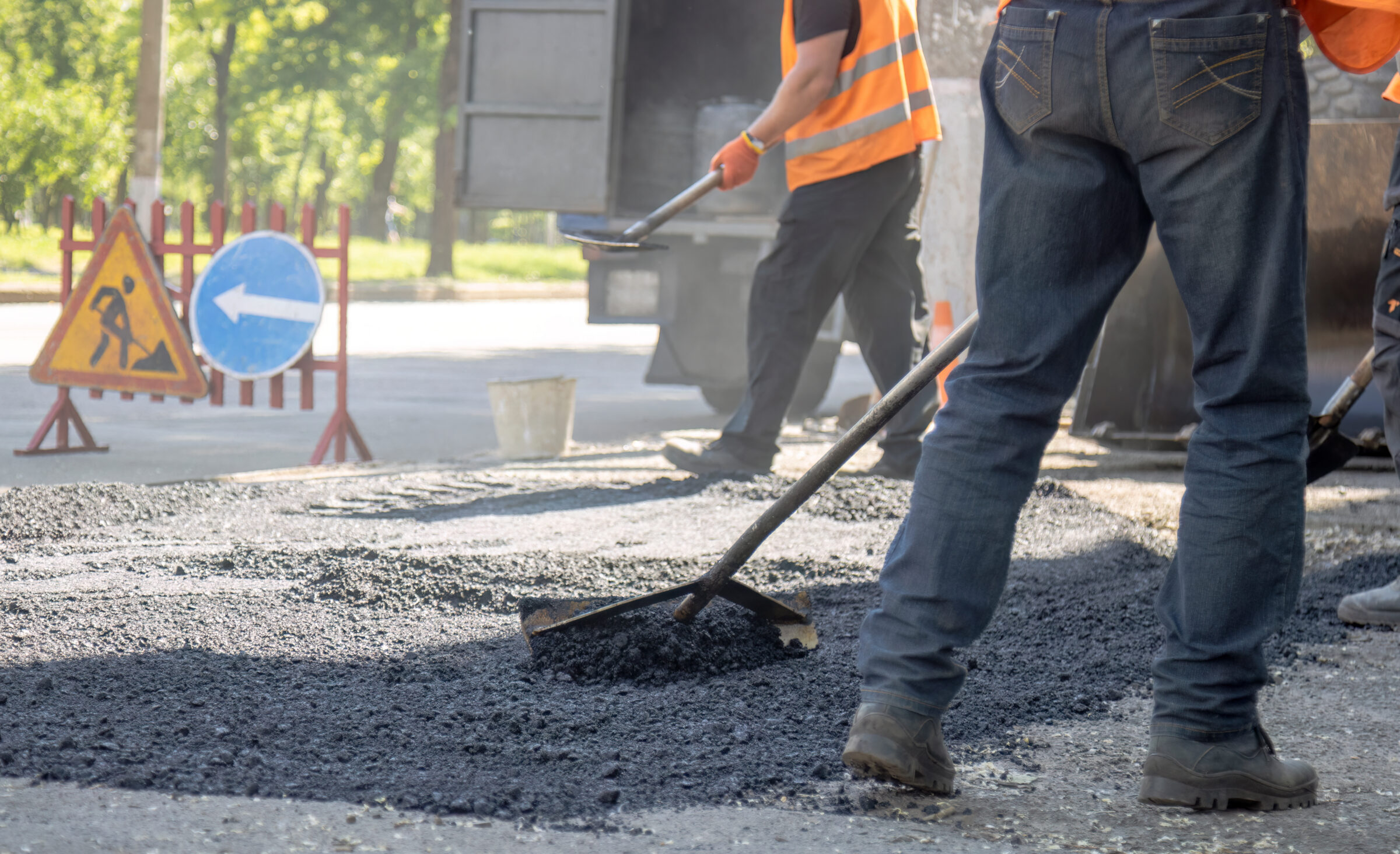
Mid-summer is often the busiest part of the construction season in Utah. Longer days, drier ground conditions, and more predictable placement weather make it an ideal time for concrete work, aggregate delivery, and asphalt paving. As more projects move forward at once, demand can rise quickly and put pressure on production schedules, truck availability, and delivery timelines.
Why Summer Brings Peak Construction Demand
There’s a practical reason for that seasonal rush. Concrete, aggregate, and asphalt all perform better when ground and air temperatures are more favorable. In summer, crews have a better window for placing concrete, compacting aggregate, and paving asphalt efficiently, which is why so much work gets scheduled during this stretch of the year. For contractors and project owners, that makes early material planning especially important.
That compression creates real pressure on supply. Plant output, truck availability, batching schedules, and delivery windows all reflect the same seasonal peak. Projects that place material orders early move to the front of the queue; those that wait for permits to finalize before ordering often find lead times have grown considerably by the time the job is ready to break ground.
What Heat Does to a Ready Mix Load
High temperatures accelerate the hydration reaction from the moment water contacts cement. A mix that holds workability for 90 minutes in spring can begin stiffening in under 60 minutes on a 95-degree afternoon, which pushes crews toward earlier pour starts, faster placement cycles, and closer coordination between the plant and the job site. Slump loss and premature set become more likely as batch temperatures rise, and surface crusting on exposed slabs compounds those risks.
Mix design adjustments address these pressures directly. Retarders extend the placement window by slowing early hydration without sacrificing compressive strength development. Reduced water-cement ratios protect internal density while ice or chilled water in the batch keeps temperatures in range. Fiber-reinforced and self-consolidating concrete mixes, both part of the ready mixed concrete lineup, further reduce finishing time and surface vulnerability during warm placements.
Aggregate Demand Follows the Ground
Crushed construction rock and concrete sand move in large volumes during summer because base preparation runs parallel to concrete and paving schedules. Road base, subbase for slabs, drainage fill, and utility trench backfill all require aggregate before any surface material goes down. That sequencing means aggregate demand often precedes concrete and asphalt demand by days or weeks on larger projects.
Residential and municipal work adds to that baseline. Subdivision development, driveway installations, RV pad construction, and road rehabilitation all draw from the same aggregate supply pool. Crushed rock in 1-inch and 1.5-inch gradations, pea gravel, and concrete sand each serve specific structural roles, and summer is when those roles fill simultaneously across hundreds of active sites.
Asphalt Paving Runs on Temperature
Hot mix asphalt leaves the plant at temperatures between 280 and 325 degrees Fahrenheit and must reach target density before it cools below compaction threshold. Summer ambient temperatures give crews the longest window to work that mix effectively. In colder months, that window narrows fast, especially on large paving lifts or wide pavement sections where heat dissipates quickly.
Highway rehabilitation, parking lot overlays, airport paving, and urban street reconstruction all concentrate in summer for this reason. Stone Matrix Asphalt, used on high-traffic corridors, demands tight temperature control and skilled compaction crews, conditions that summer supports better than any other season. Projects like the SR-115/US-6 pavement rehabilitation, which required precision night-shift milling and overlay work across 17 lane miles, reflect what coordinated plant and field operations can accomplish within the summer paving window.
Place Orders Before Peak Demand Compresses Supply
Material demand across the Intermountain Region peaks fast and stays high through late August. Concrete, aggregate, and asphalt supply chains all respond to the same seasonal clock, which means early coordination with a supplier directly affects project scheduling, not just material cost.
Staker Parson Materials & Construction serves a wide area with ready mixed concrete, asphalt paving, crushed construction rock, and a full range of construction services. Request a quote at today to get summer project materials sourced and scheduled.